
The universal first step
Regardless of what spilled, the approach starts the same way: blot, don't rub. Grab a clean white cloth or paper towels and press firmly into the spill to absorb as much liquid as possible. Work from the outside edge of the stain toward the center to avoid spreading it.
Rubbing is the most common mistake. It pushes the liquid deeper into the fibers and can fray or damage the pile. Blotting lifts the liquid out. White cloths are preferred because dyed fabrics can transfer color to wet carpet.
Speed matters with every stain. A spill treated in the first five minutes is significantly easier to remove than one that has had 30 minutes to soak in.
Pro Tip
Always use a white cloth for stain treatment. Dyed fabrics can transfer color to wet carpet, turning one stain into two.
Coffee
Coffee is one of the most common carpet stains and one of the easiest to remove if treated quickly. Blot up as much liquid as possible, then apply cold water directly to the stain. Blot again. Repeat the cold water application and blotting until no more brown transfers to the cloth.
If the stain has partially set, mix one tablespoon of white vinegar with one tablespoon of dish soap in two cups of warm water. Apply a small amount to the stain with a cloth, blot, and repeat. Rinse with plain cold water and blot dry.
Coffee with cream is harder to remove because the dairy component adds a protein element that bonds more strongly with fibers. Treat these with cold water first — warm water can cook the protein and set the stain.
Red wine
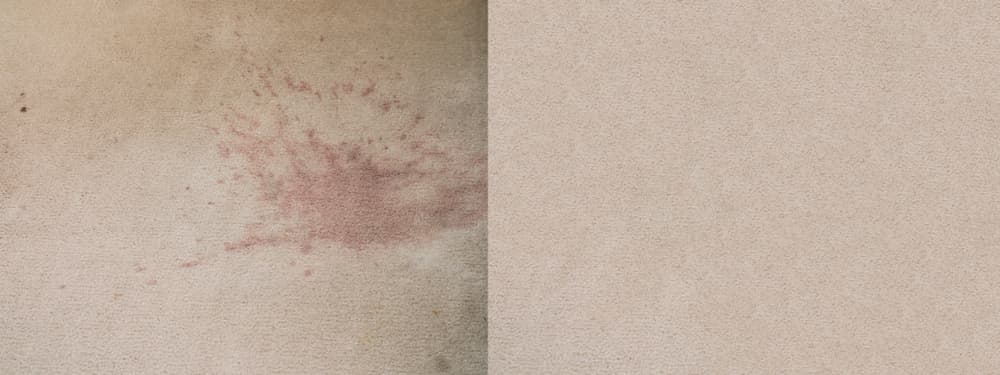
Blot immediately and thoroughly. Then pour a generous amount of plain cold water onto the stain to dilute the remaining wine. Blot again. This dilution step is the most important — it reduces the concentration of pigment in the fibers before it has time to bond.
After diluting, apply a small amount of white wine or club soda if available. Both help neutralize the red pigment. Blot and repeat. If the stain persists, make a paste of baking soda and water, apply it over the stain, let it dry completely, then vacuum up the residue.
Salt is sometimes recommended as an immediate treatment. It does absorb liquid, but it can also grind into fibers when walked on. If you use salt, apply it gently and vacuum it up once dry rather than rubbing it in.
Nail polish
Important
Do not use nail polish remover (acetone) on carpet without testing a hidden area first. Acetone can dissolve certain carpet fibers, particularly polypropylene and some synthetics, and can remove the carpet's color along with the polish.
For small spills, let the polish dry completely. Once hard, you can sometimes chip off the bulk of it with a dull knife. For what remains, apply a small amount of non-acetone nail polish remover to a white cloth and dab — don't pour it on the carpet. Blot with a clean cloth between applications.
Rubbing alcohol is a safer alternative for most carpet types. Apply to a cloth, dab the stain, blot with a clean cloth, and repeat. This is slow work and requires patience, but it minimizes the risk of fiber damage.
Large nail polish spills often need professional treatment. The risk of making the stain worse with DIY solvents is high enough that calling a professional early saves time and carpet.
Ink
Ballpoint pen ink responds well to rubbing alcohol. Apply a small amount to a white cloth and blot the stain. Don't pour alcohol directly on the carpet — it needs to be controlled. You'll see ink transfer to the cloth with each application. Use a clean section of the cloth each time and keep working until no more ink transfers.
Permanent marker and fountain pen ink are more difficult and may require professional treatment. The pigments in these inks bond more aggressively with fibers and home remedies can spread the stain or damage the carpet.
Muddy paw prints
The counterintuitive rule: let the mud dry. Wet mud will smear when you try to clean it, spreading the stain across a larger area. Once the mud has dried completely, vacuum up the loose particles. Most of the stain will come up with the vacuuming alone.
For any remaining discoloration, mix a small amount of dish soap in warm water, apply with a cloth, and blot. Rinse with plain water and blot dry. Mud is one of the easier stains because it's primarily soil particles sitting on the fibers rather than a chemical that bonds with them.
When to call a professional
Home treatment works well for fresh, surface-level stains. Call a professional when:
- The stain has fully set and dried.
- Multiple home treatments have failed.
- The stain covers a large area.
- You're not sure what caused the stain.
- The carpet fiber is delicate or expensive (wool, silk, or high-end nylon).
Good to Know
A "spot" is removable material sitting on fibers. A "stain" is a chemical change to the fiber itself — bleach, certain dyes, and acids permanently alter carpet color. The distinction matters because spots that reappear after cleaning are usually caused by wicking, not permanence.
Professional equipment and targeted treatment solutions handle set-in stains more effectively than household products, and a trained technician knows how to treat different fiber types without causing damage.